Third Coast turns the corner on year two, a brand-new look, HRP Australia, a huge spring for Polaris Education, a new RAND and Museum of Science study, fresh podcasts, the Primer, and our summer book club.
Summer 2026
Hey everyone. This is a big one. We have more to share than we have in a long time: a school model heading into its third year, a brand-new look, a sister organization in Australia, a student-voice platform that had a remarkable spring, a new research partnership, fresh podcasts and writing, and a book on the way. Grab a coffee. Here is what we have been up to.
In this update
A new look
Our new logo, branding, and website, leaning into solarpunk.
Third Coast: year two
Tripled to 529 students; five cohorts, three schools.
Rebuilding the schedule
A new guide to making room for project-based learning.
HRP Australia
Meet our newest team, down under.
Polaris Education
10 districts, 3,700+ students this spring.
RAND × Museum of Science
A new study on durable skills.
Floop
Rebuilt, free, meaningful feedback on any work.
New podcasts
Community schools, Montessori, Gary Stager.
New writing
Teaching in the Wreckage of the Real.
The HRP Primer
A full book, out this summer.
Summer book club
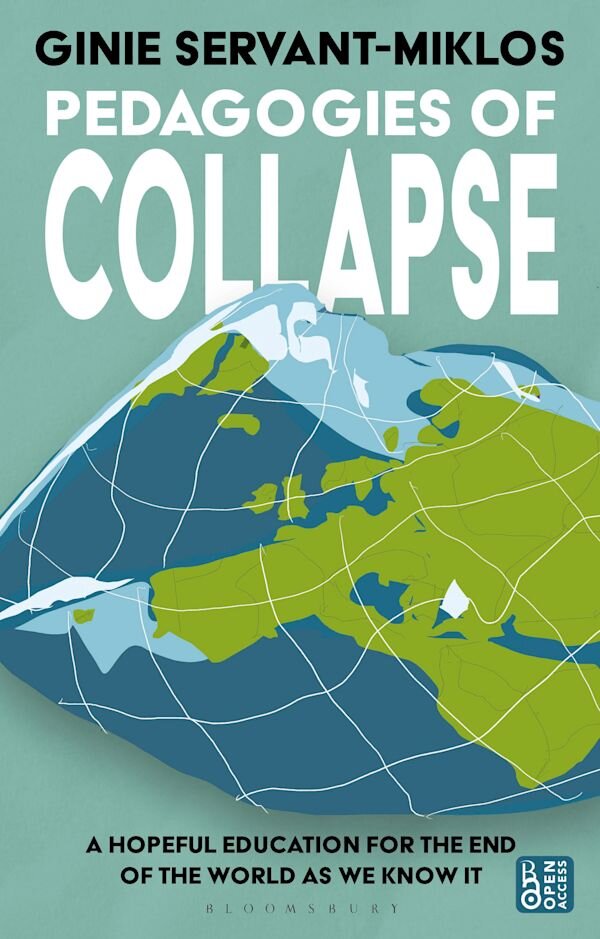
Pedagogies of Collapse, from June 26.
A new logo, brand, and website
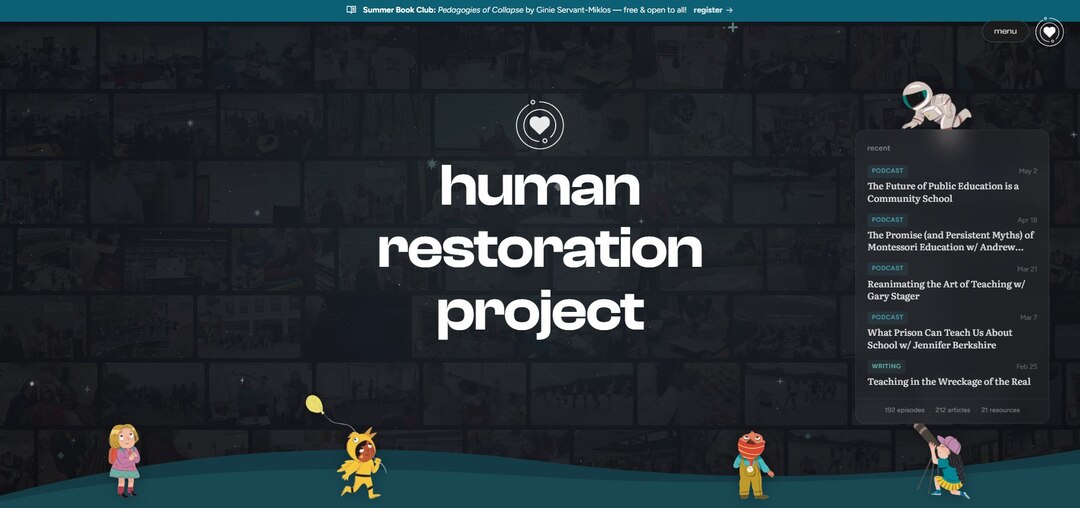
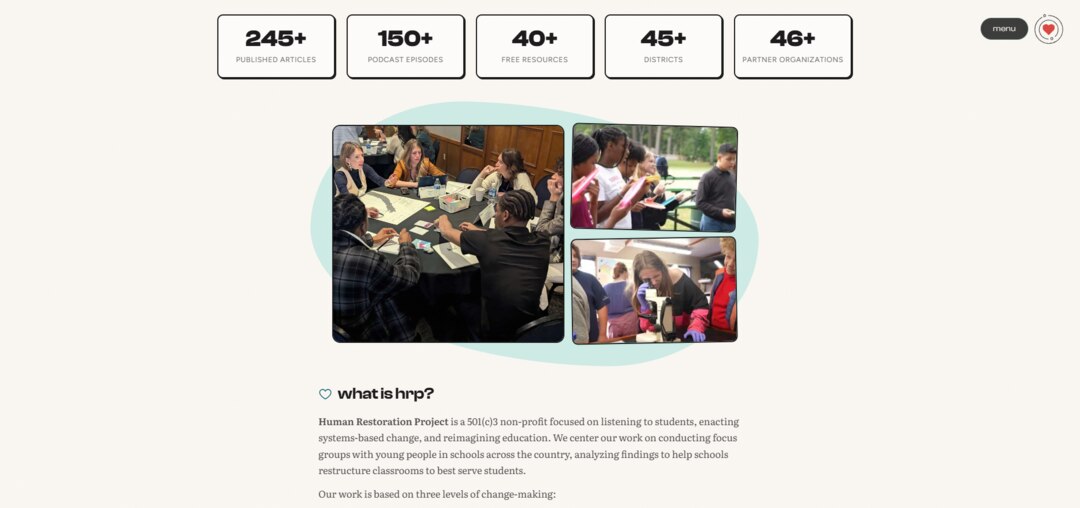
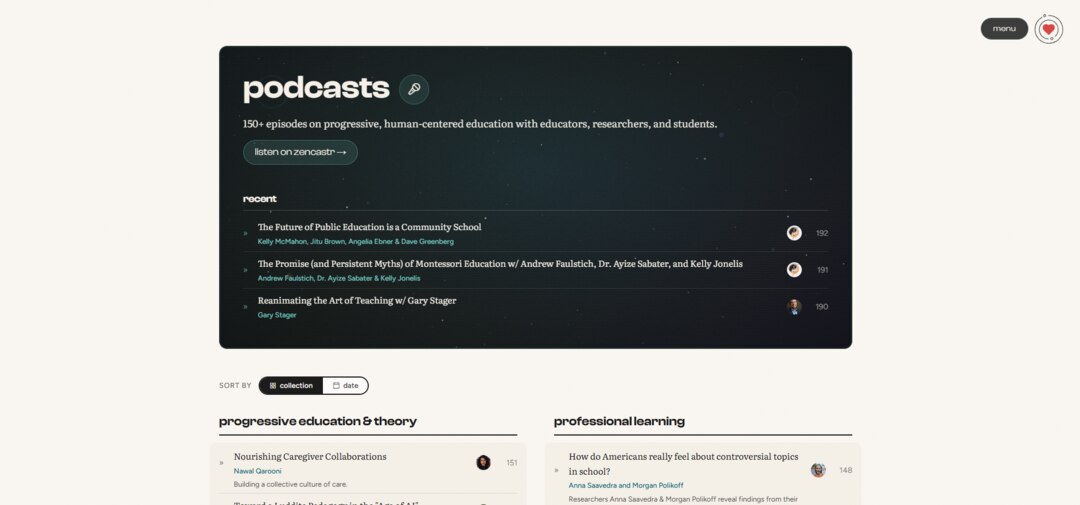
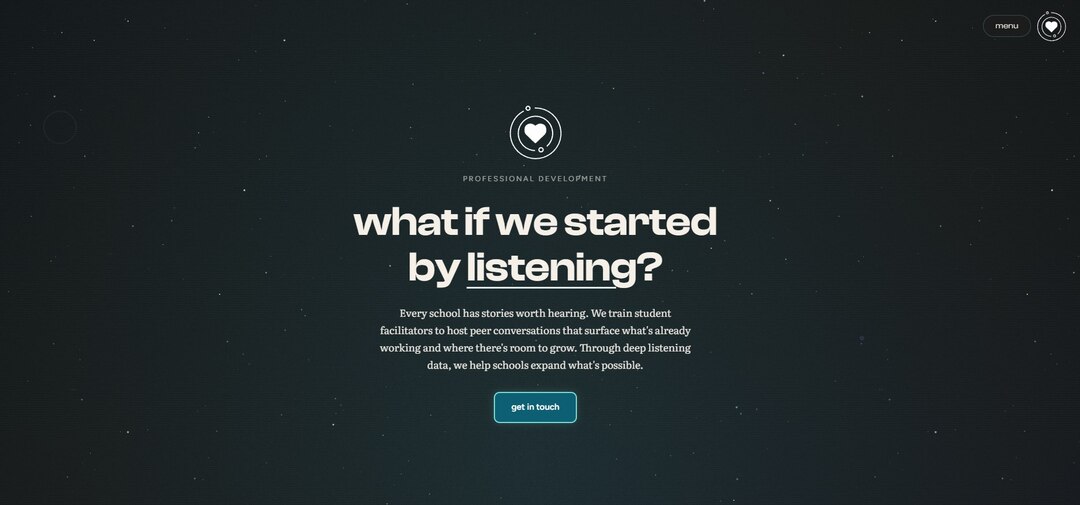
This email may look a little different, and that is on purpose. We redrew the logo, refreshed the whole brand, and rebuilt humanrestorationproject.org from scratch. The new look leans into a solarpunk feeling: warm, hopeful, a little green around the edges. It is the look of a future worth building, not one we are bracing for.
It is also a marker of where we are right now. We are talking with more educators and communities than ever, we keep meeting people who want to imagine and build something better with us, and honestly, we are proud of how much the organization has grown. The new site is quicker, friendlier, and built to hold everything you are about to read.
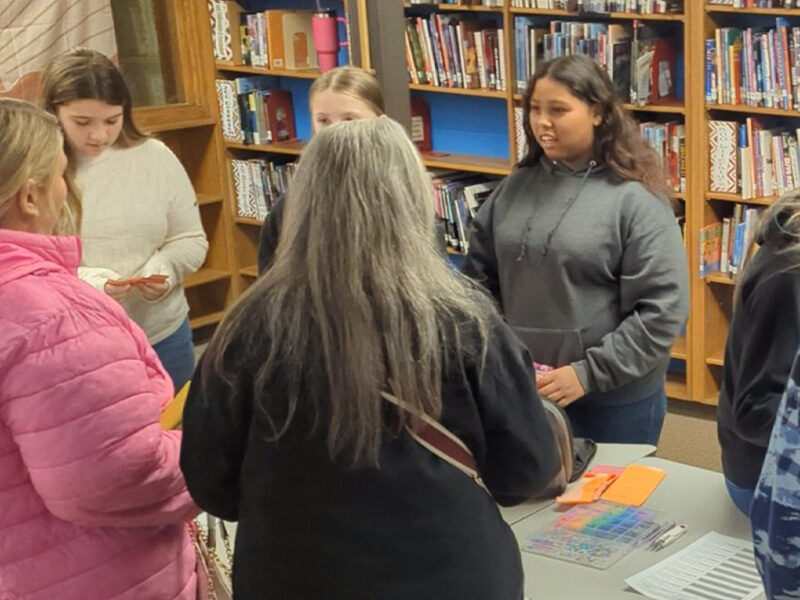
Two years ago, the Third Coast Learning Collaborative set out to do something genuinely hard: build “schools within schools” in public middle schools in Muskegon, Michigan, where students learn through interdisciplinary, project-based work and get assessed on portfolios and feedback instead of grades. Year two was the year it took off.
Enrollment tripled to 529 students across Orchard View and Reeths-Puffer, and as we head into year three the model grows to five student cohorts across three schools. None of this is a project bolted onto an otherwise normal day. Every project is designed by a teacher team, runs at least six weeks, pulls in several subjects at once, and points students at real work happening in Muskegon.
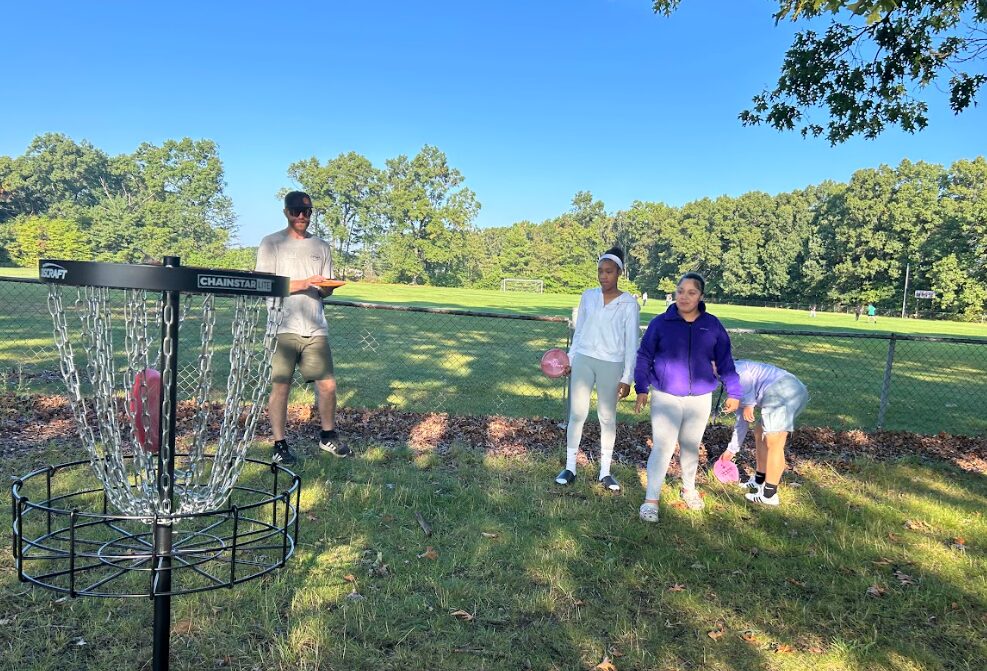
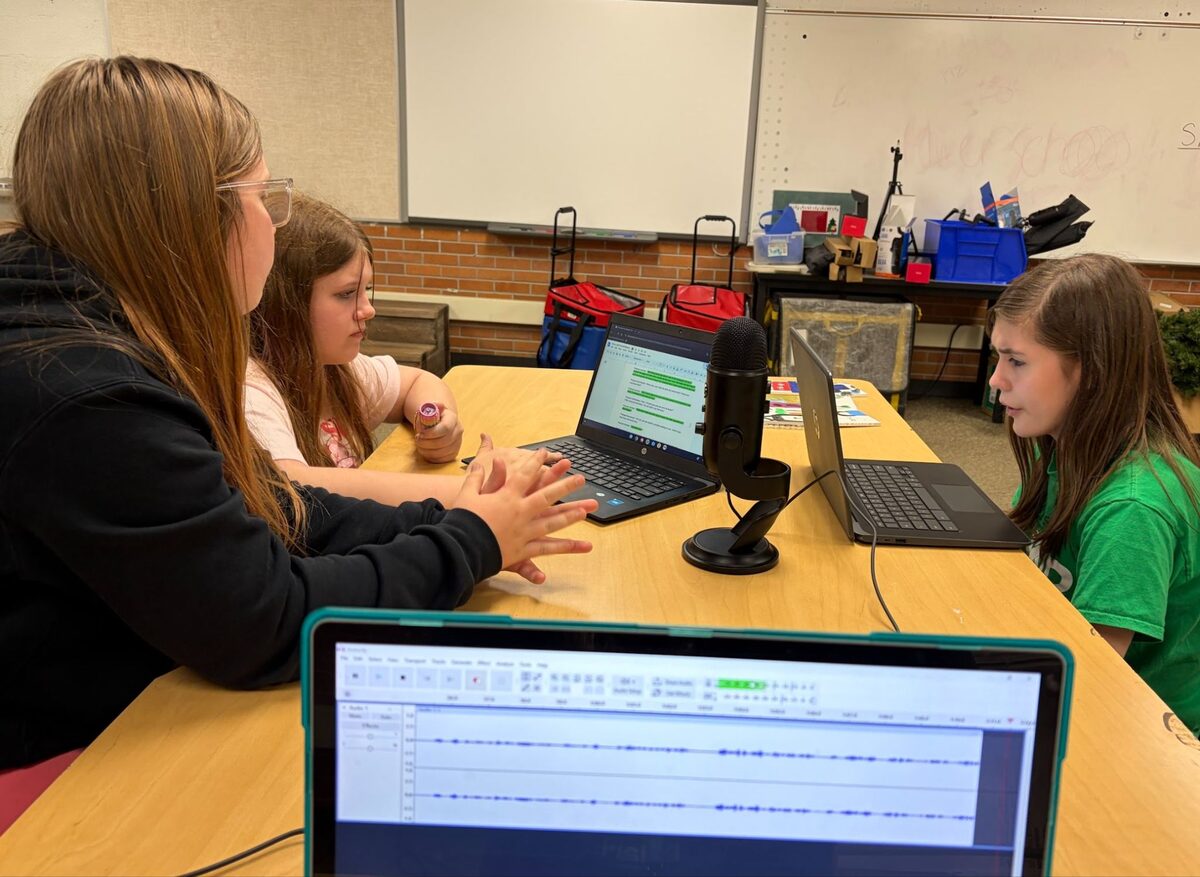
Students toured a pumped-storage power plant, ran water-quality tests aboard Great Lakes vessels, audited downtown shops for accessibility, published a community cookbook, ran their own mini-societies, and produced a podcast tying WWII history to refugees today.
The independent evaluation, run by RAND, is already showing early signs worth watching: gains in student engagement and well-being, including a statistically significant drop in emotional problems by spring. The work has been featured at the Michigan Association of Secondary School Principals and Teacher Powered Schools conferences, and it was the first showcase site for What School Could Be Michigan. Districts as far off as Chicago and Columbus have reached out to learn how it works.
Everything is published openly under Creative Commons. You can read the full year two report or browse student work below.
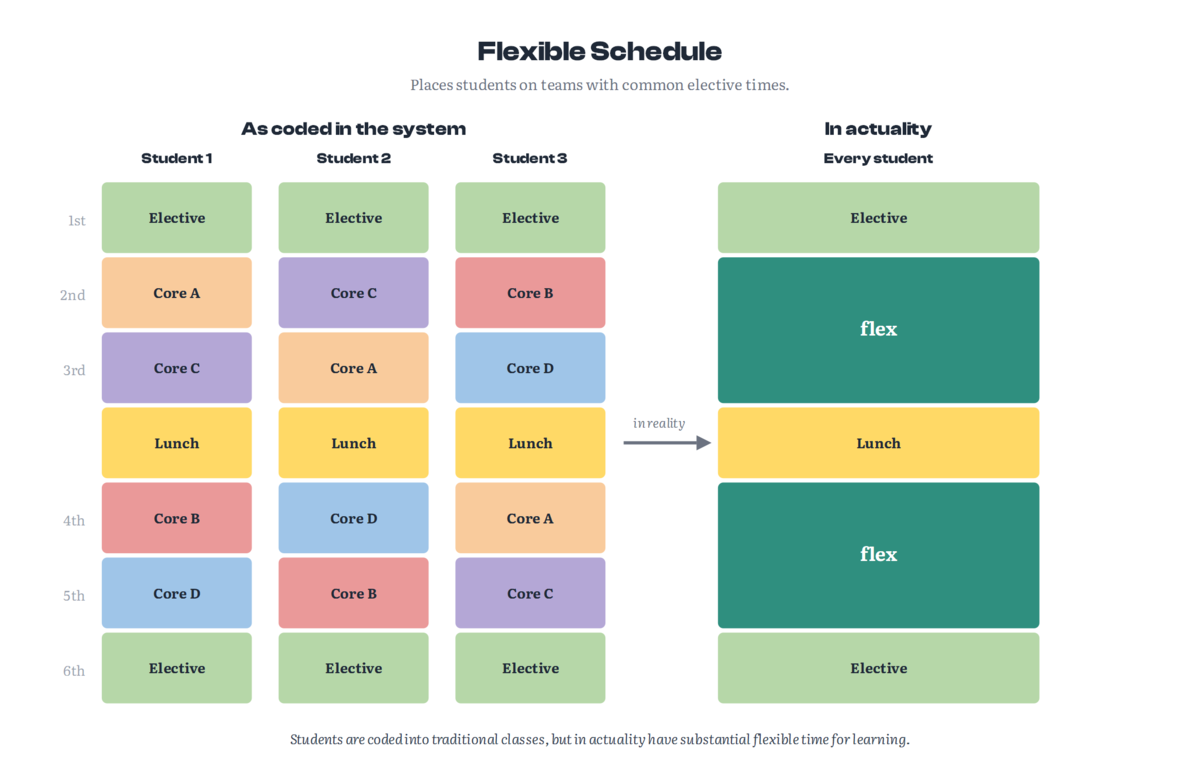
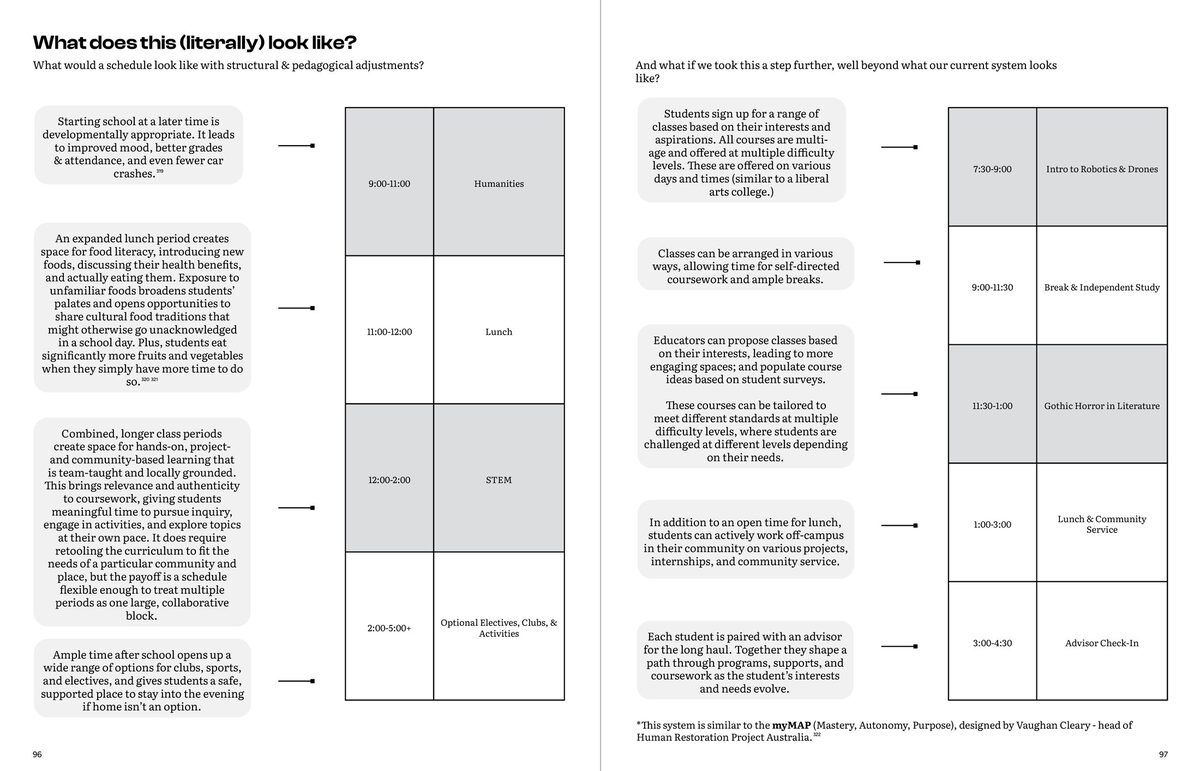
If you have ever tried to make room for real project-based learning, you already know where it breaks down first: the master schedule. We treat it as the opening design problem, not a logistics chore to sort out later. Our newest guide lays out exactly how Third Coast rebuilds a school’s schedule so interdisciplinary teaching can actually happen.
The core move is anchored electives: put every student’s electives at the same times, and you are left with big, predictable blocks that a teaching team controls outright. The periods stay “as coded” in the student information system while teams reshape the real day around what students need. The guide works through the six things you have to solve together (staffing, teaming, how it shows up in the SIS, instructional minutes, daily communication, and special-education services) and makes the case for trusting teachers over a scripted pacing guide.
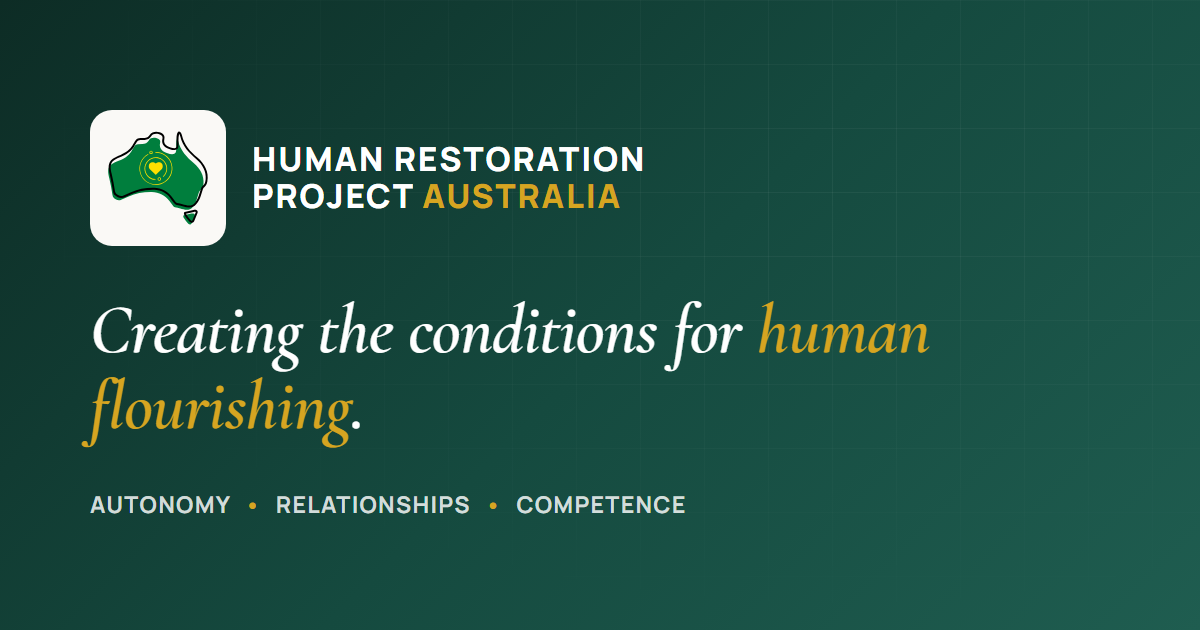
We could not be happier to welcome Human Restoration Project Australia into the family. Their mission is wonderfully plain: creating the conditions for human flourishing. They work with schools, workplaces, community groups, and sports clubs to build places where people thrive, guided by what they call the ARC framework: Autonomy, Relationships, and Competence.
In their words: “We do not arrive with answers. We arrive with questions. We listen deeply. We learn together.” If that sounds familiar, it should. It is the same belief that the people closest to an organization are usually the ones best placed to imagine its future.
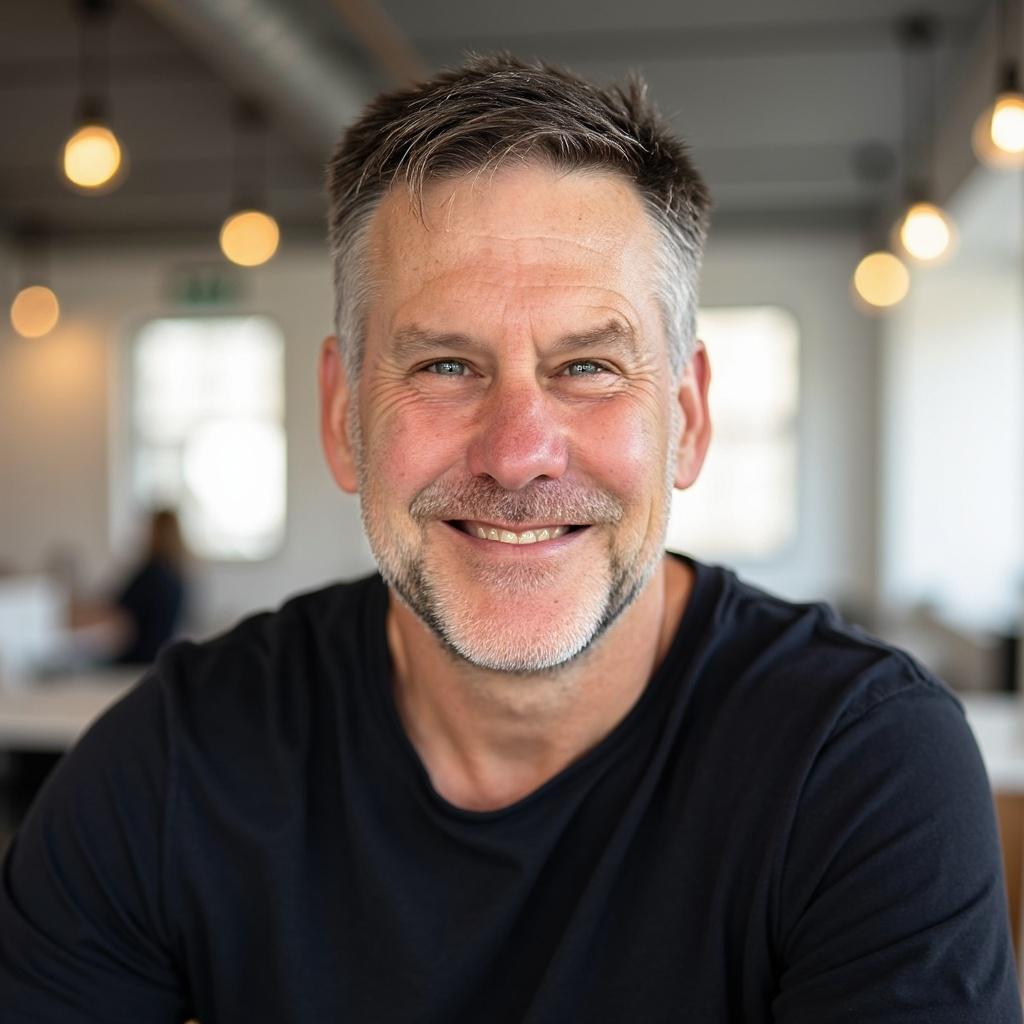
Vaughan Cleary
Founder & National Director
Vaughan has spent more than 30 years building places where people feel motivated and able to do their best work. His doctoral research looked at how the way we structure organizations shapes motivation, and how many “people problems” are really design problems.
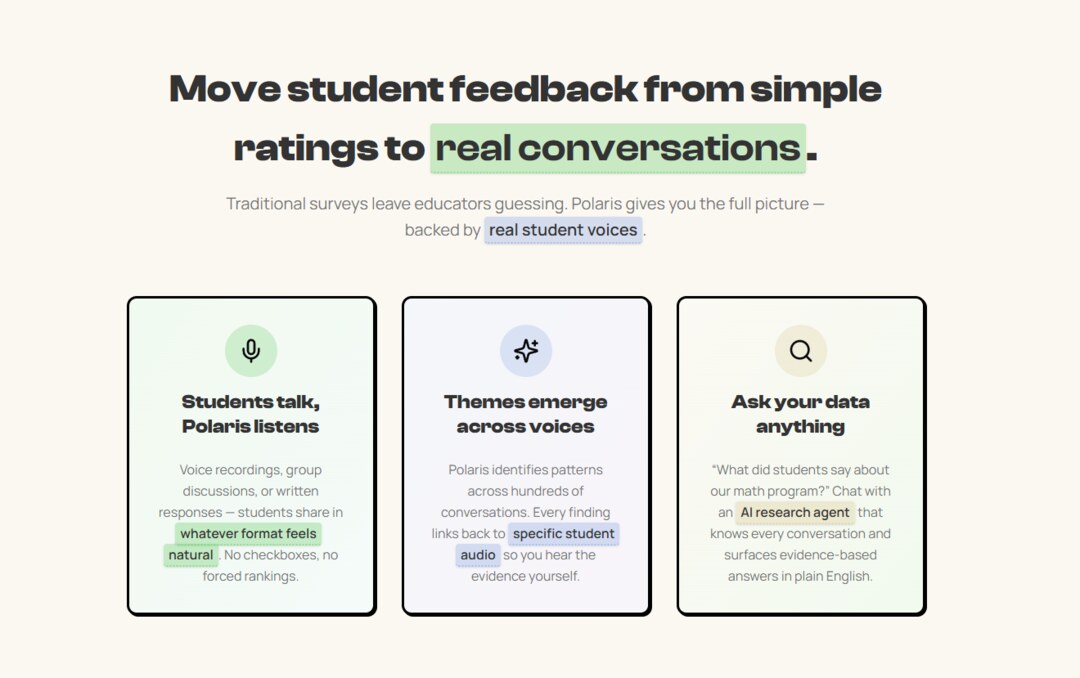
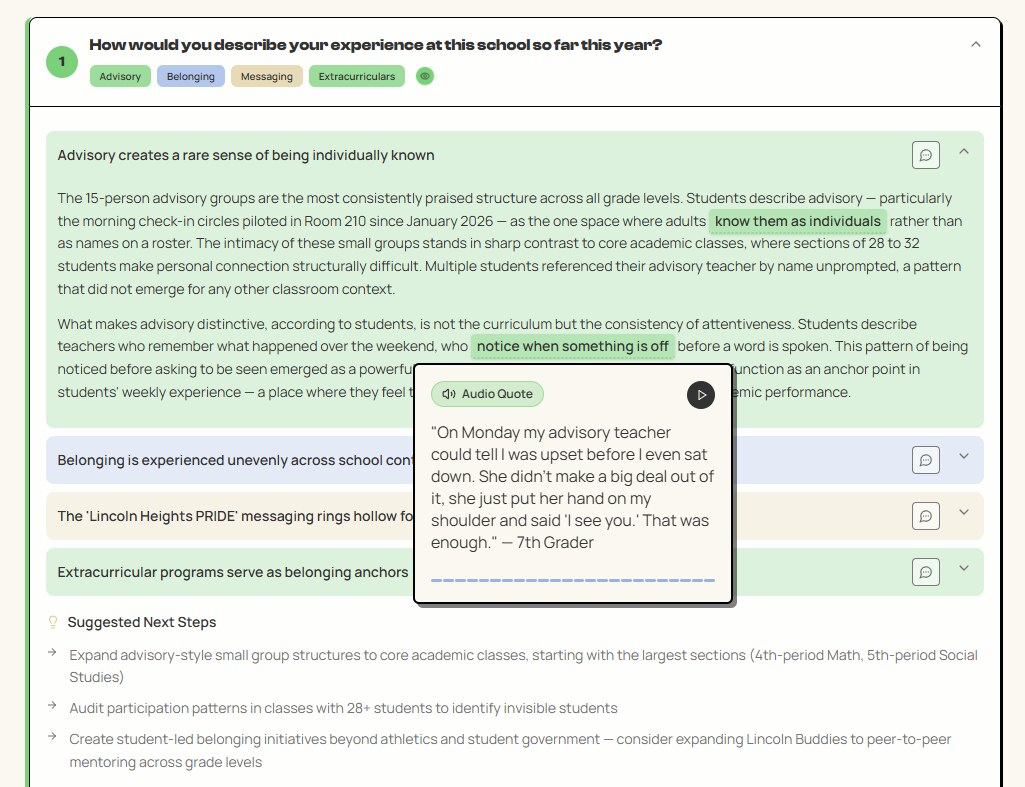
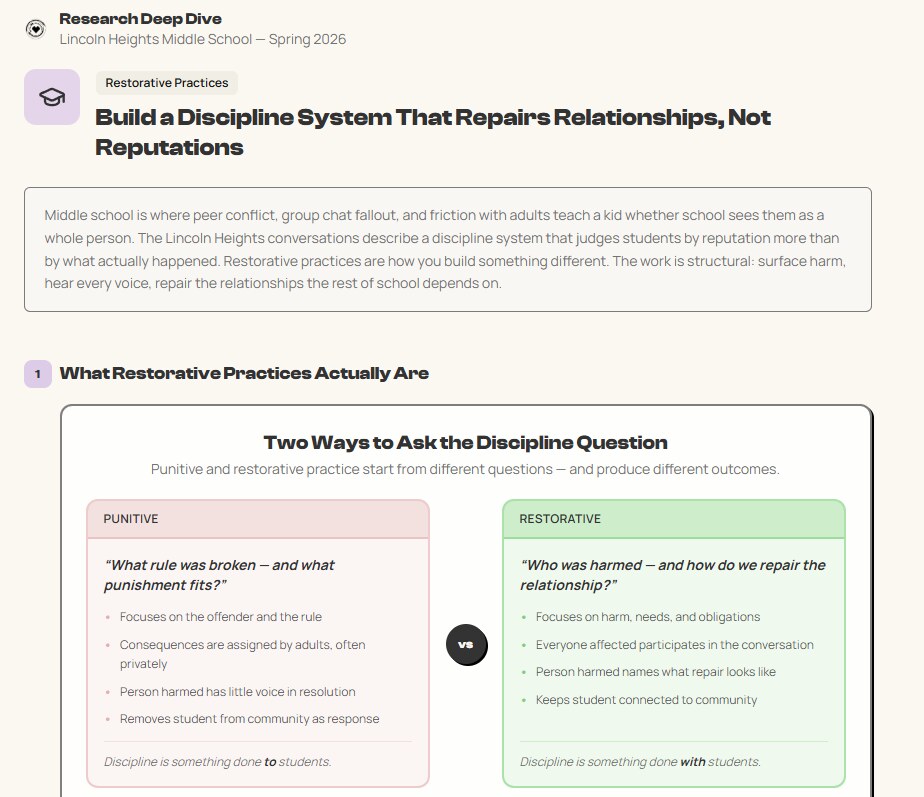
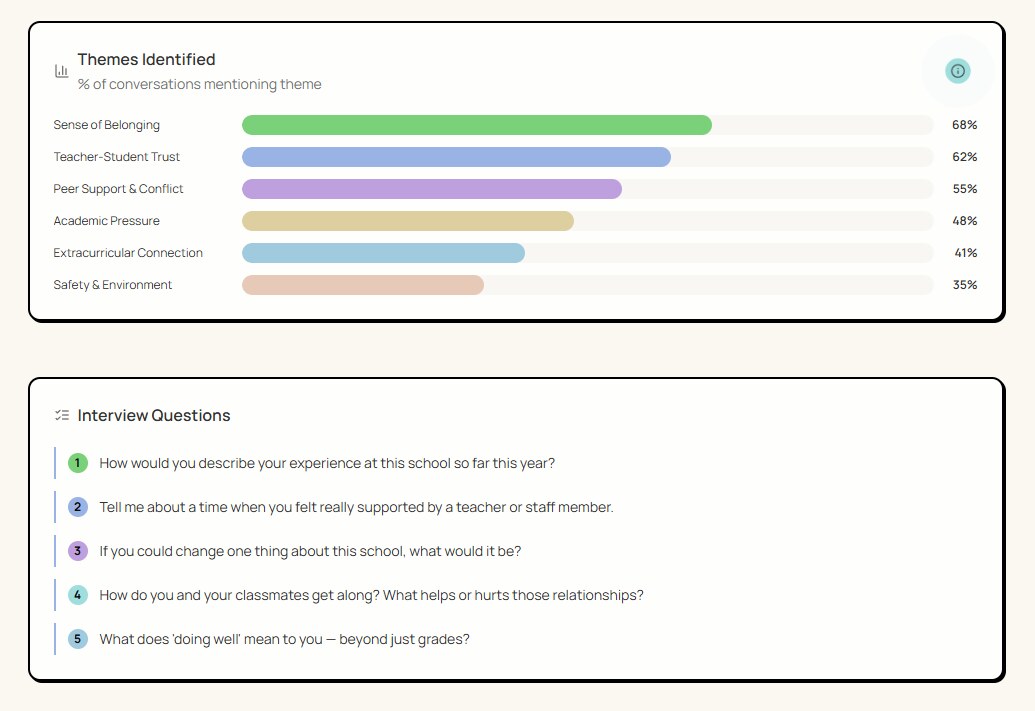
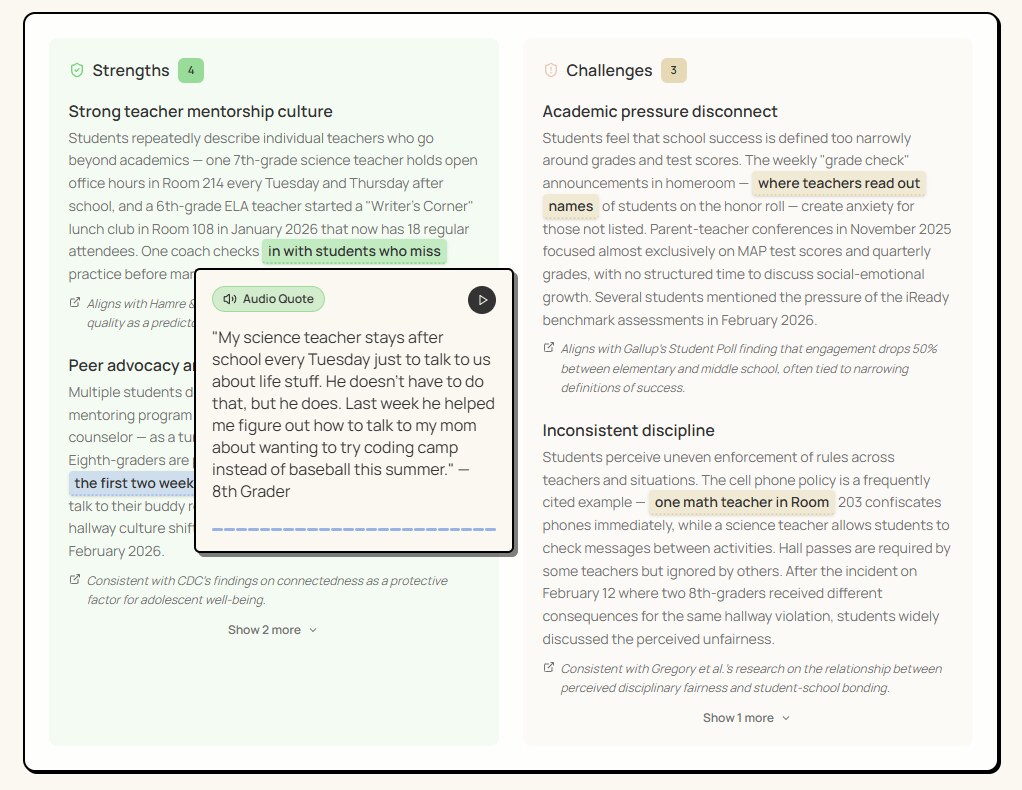
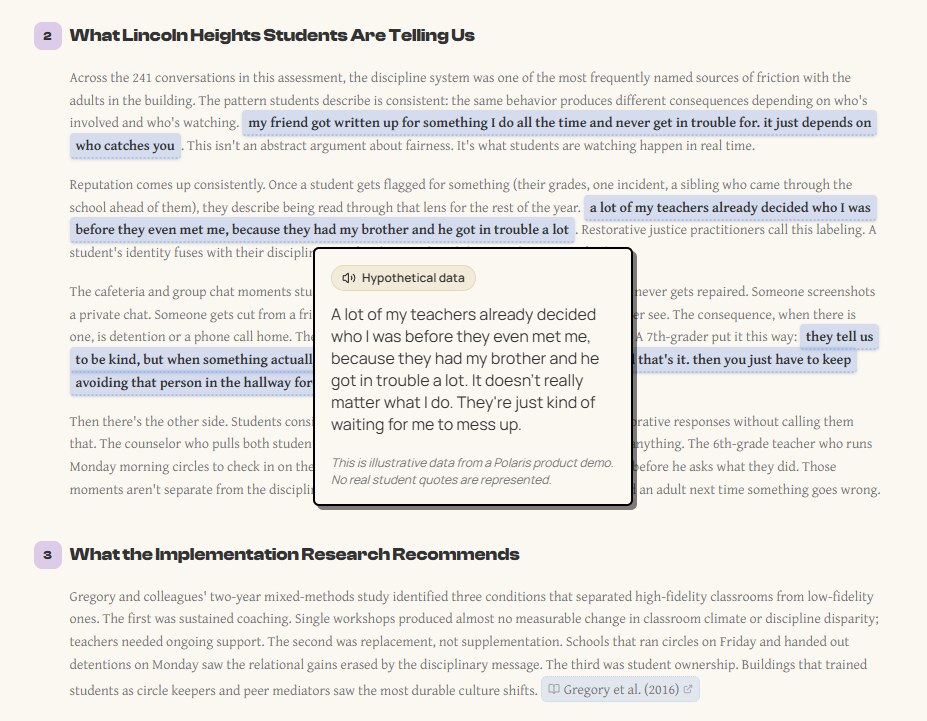
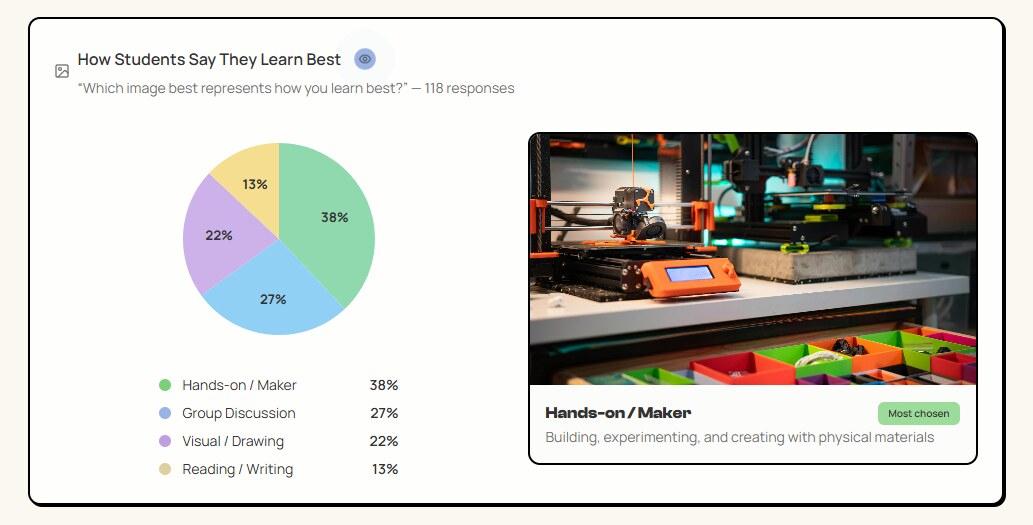
Polaris Education is our student-voice platform: empathy interviews at a scale we could never reach before. Instead of one more survey that spits out a number, students say what they actually think out loud, in writing, or in their first language. The software then transcribes and translates it, strips out anything identifying, finds the themes running across hundreds of conversations, and keeps every finding tied back to the real audio it came from.
This spring we playtested Polaris with 10 districts and more than 3,700 students. The results were genuinely exciting. Schools used it to dig into:
→ Student engagement and motivation
→ Student well-being and belonging
→ Curriculum and program reviews
→ Program fidelity and implementation
→ And plenty more
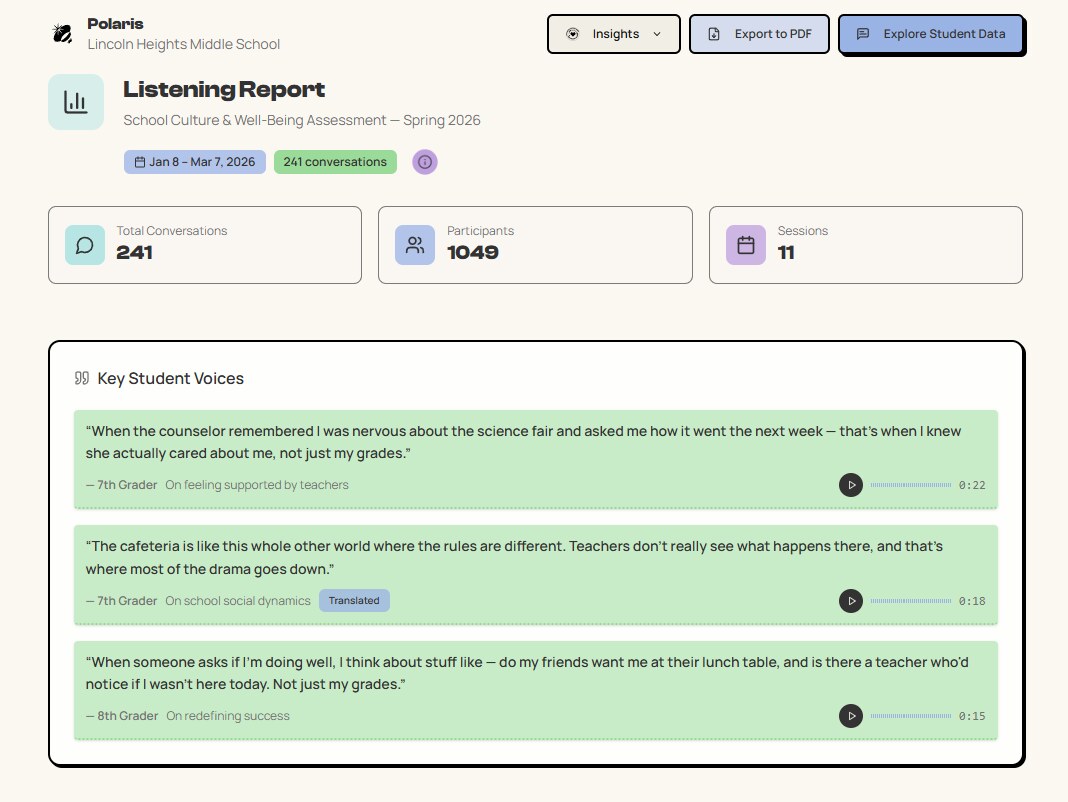
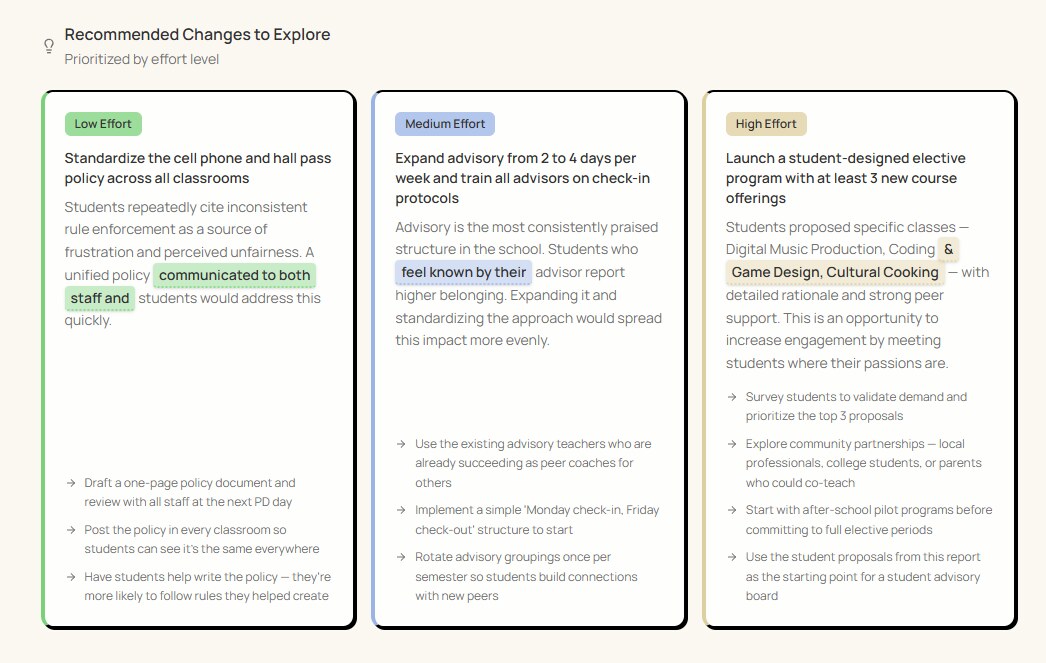
A look inside Polaris
Heads up: these are sample screens with hypothetical data, shown for display only. None of it is real student data.
A lot more is coming over the next few weeks as we get closer to a formal release. The best thing to do right now is head to the site and join the waitlist. You will be first to get everything as it lands.
Are you a school or district? We are already lining up partnerships in nearly 70 districts for next year. If you would like to be one of them, just reply to this email and we will be in touch.
new research
Studying durable skills with RAND and the Museum of Science
We are excited to be starting a formal grant with RAND and the Museum of Science, Boston to study durable skills, the kinds of capacities that outlast any single test, and what design thinking does for them, measured through Polaris Education.
It means pairing independent research with one of the country’s best-known science-education institutions to better understand how students actually grow. There is a lot more to say here, and we will, soon.
launching a new floop
Floop: Feedback-Forward Learning
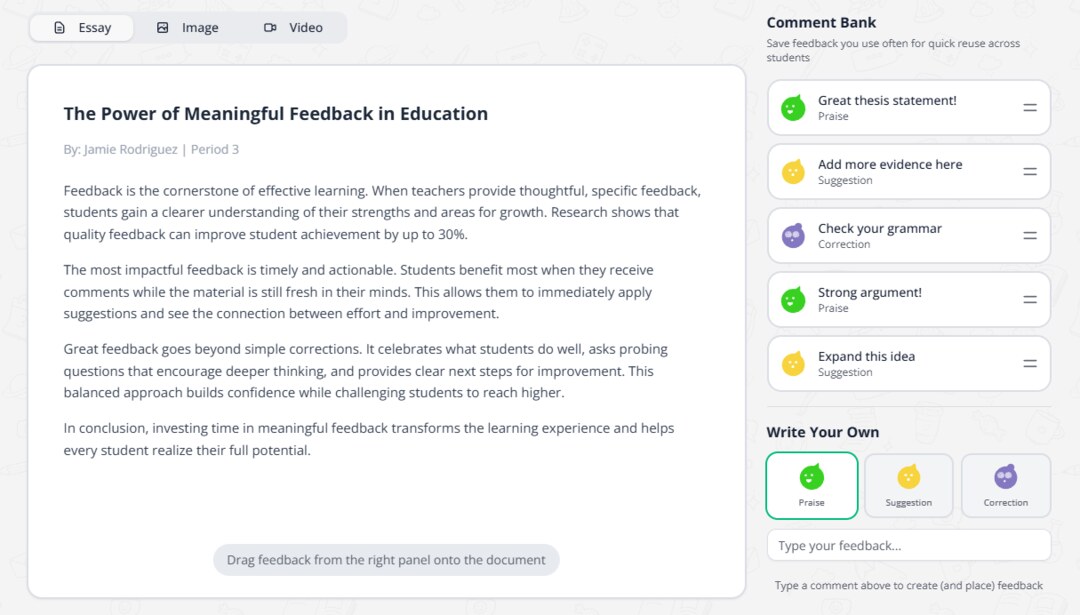
We are about to launch a brand-new version of Floop, a tool for giving students feedback that actually means something. It has been rebuilt from the ground up on an entirely new codebase, and the best part: it is completely free for educators.
The new Floop lets you leave meaningful feedback on text, images, video, and audio, so you can respond to student work in whatever form it shows up in. Head over to the new website to see what it can do.
The “failing schools” story has long been used to justify privatization. This is a different one: the community school, told with educators and two NEA policy specialists.
Few approaches are as recognized, or as misunderstood, as Montessori. Three educators sort the method from the myths. w/ Andrew Faulstich, Dr. Ayize Sabater & Kelly Jonelis
Generative AI does not fool us by lying so much as by wearing down our sense of what is real. Schools, built to standardize, sit right in the blast radius. by Chris McNutt
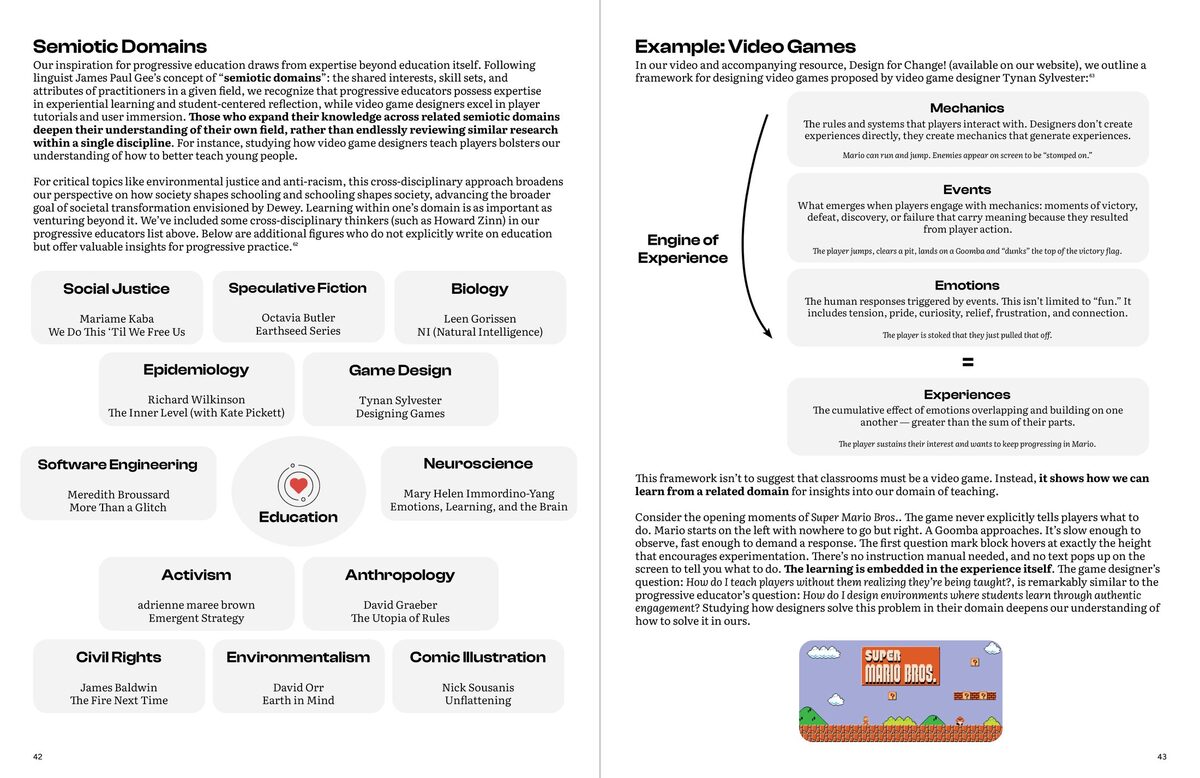
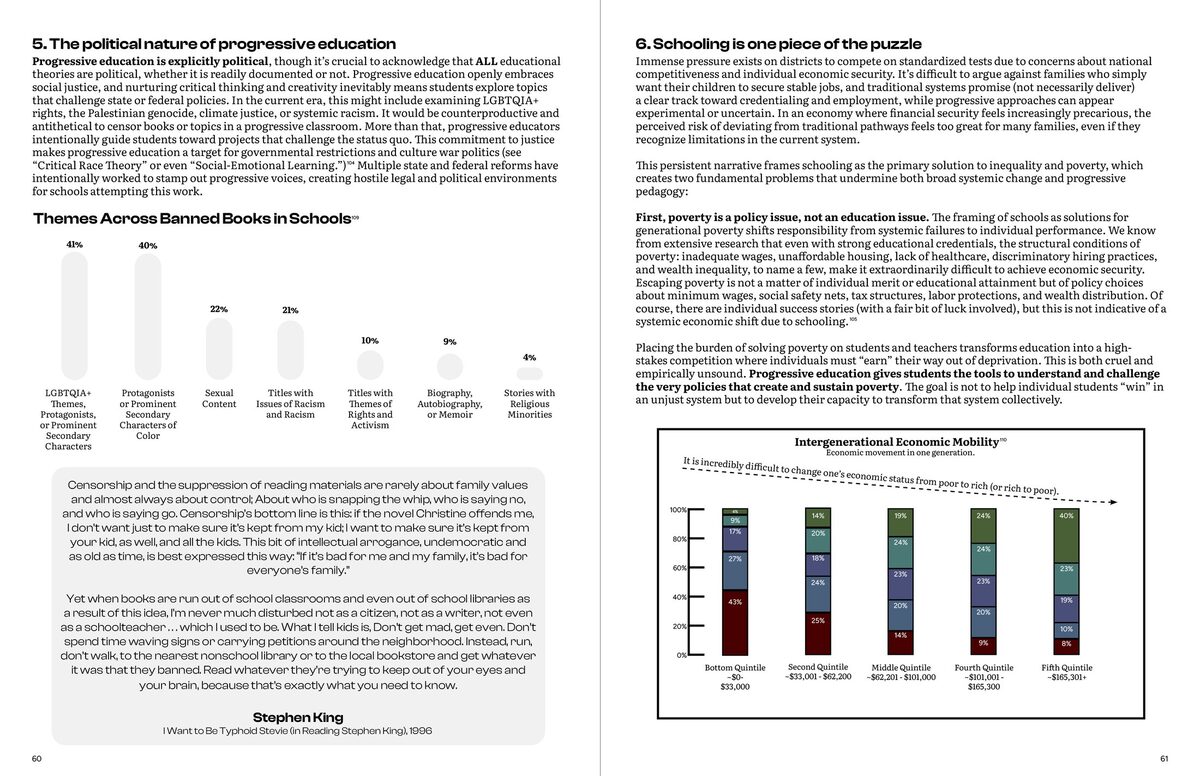
This summer we are releasing the HRP Primer, a research-backed, illustrated introduction to progressive education. It pulls what we actually practice into one place, grounded in real classrooms and field work, with citations throughout.
This time it is a full book, available digitally or in print. It exists because thousands of educators, students, and families refused to settle for the default. You can preview a few spreads now; the complete book lands in the coming weeks.
That is a lot, and we are just getting started. We will be back soon with the finished Primer, new resources and podcasts out of Human Restoration Project, and some new merch in the updated branding that we are genuinely excited about. Thanks for being part of this. More soon.